
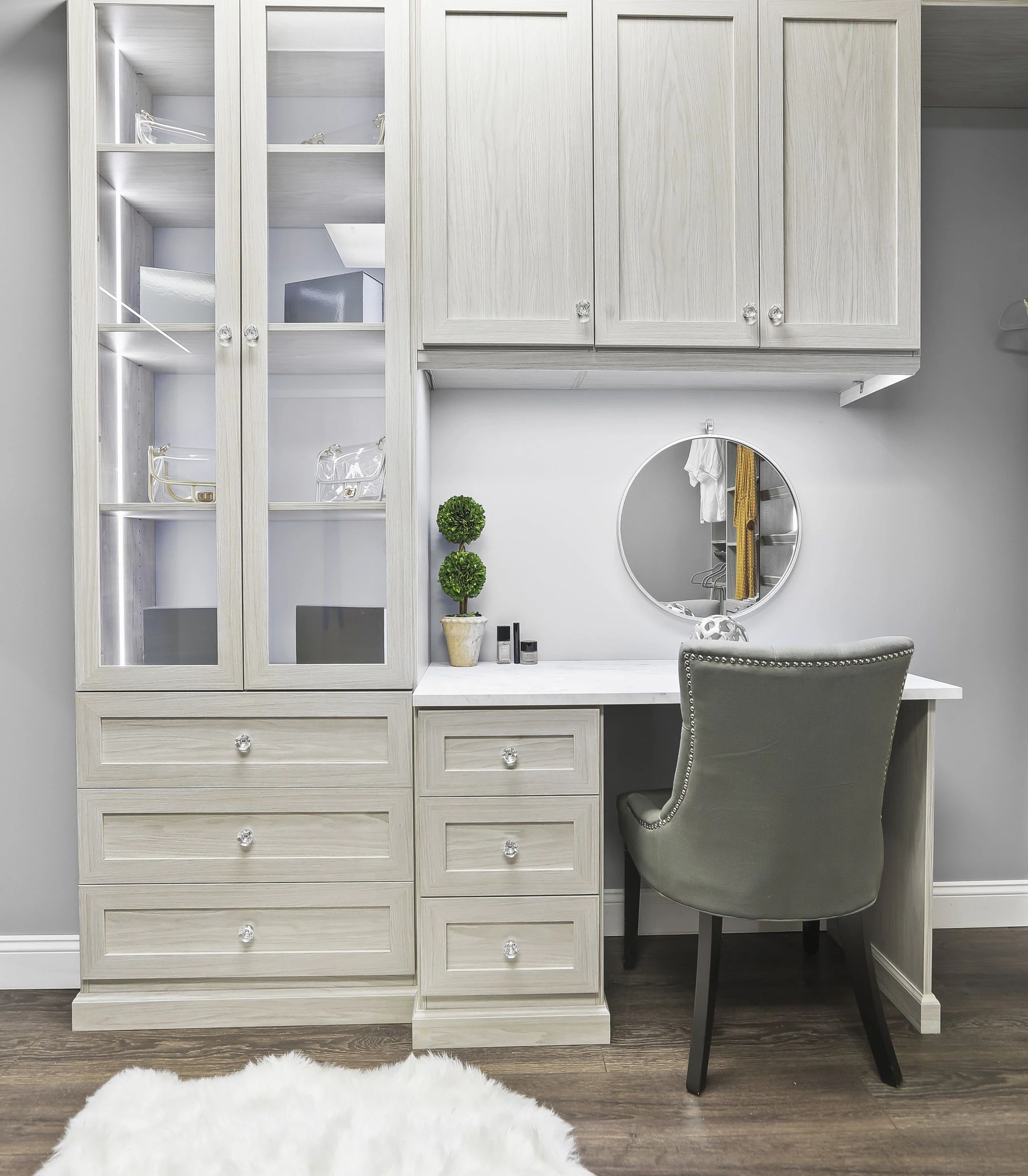
Closets are more than just places to stash clothing. In a well-organized home, a closet becomes a high-performing storage hub that helps streamline daily routines, reduce clutter, and even enhance your interior design. The best closets strike a balance between practicality and visual appeal, offering intuitive layouts with an elevated, intentional look.
Whether you’re reimagining a walk-in, upgrading a reach-in, or designing a wardrobe wall for a bedroom or hallway, today’s closet designs are tailored to both lifestyle and style preferences. With the right materials, finishes, and thoughtful planning, a closet can serve as both a functional powerhouse and a design focal point in the home.
Here are some smart design ideas that blend beauty with utility.
Prioritize Layout for Efficiency
The foundation of any high-functioning closet is a layout that aligns with your habits. Consider how you use your wardrobe daily. Do you hang most of your clothes or fold them? Do you need quick access to accessories? Are you sharing the space with a partner or child?
Start by mapping zones. Reserve prime, eye-level space for everyday clothing. Use upper sections for seasonal storage or less-used items. Lower areas can house shoes, hampers, or drawers. Group items by type, season, or frequency of use, and be sure to leave ample space between components to avoid a cluttered look.
A great layout not only enhances functionality but also prevents visual overwhelm. Built-in dividers, adjustable shelving, and flexible rod heights help accommodate changing needs without sacrificing style.
Use High-Quality Finishes That Feel Like Furniture
One of the easiest ways to elevate your closet’s visual appeal is by choosing premium finishes and materials that coordinate with the rest of your home. Painted MDF, textured melamine, and woodgrain laminates offer a refined look while providing durability.
Finishes like light oak, rich charcoal, or matte white can blend seamlessly into bedroom palettes. Choosing cabinetry profiles such as flat panel or Slim Shaker offers a clean, cohesive aesthetic. Adding brushed brass, matte black, or chrome hardware helps integrate the closet system into your broader interior design.
For a truly built-in feel, carry finishes up to the ceiling and extend cabinetry from wall to wall. This creates a custom look and maximizes every inch.
Add Custom Drawer Inserts and Accessories
Functionality skyrockets when you add storage accessories tailored to your lifestyle. Custom drawer inserts, jewelry trays, and felt-lined compartments keep small items neat and visible. Pull-out racks for ties, belts, or scarves reduce clutter and save time.
Pull-out laundry hampers, drawer dividers, and shoe trays keep your daily routine streamlined and organized. Cubbies, bins, and baskets can add a casual yet curated feel, especially when styled with textiles, leather, or woven materials.
Designing your closet around your habits ensures that every item has a place—and that the closet system works for your lifestyle, not against it.
Create a Sense of Luxury with Lighting
Lighting is one of the most transformative elements in any closet. It enhances visibility, highlights design features, and adds a touch of boutique-inspired elegance.
Recessed ceiling fixtures provide general illumination, while LED strip lights under shelves and inside drawers improve visibility and make your closet feel high-end. Motion-activated lights add convenience, and backlit mirrors or display lighting for shoes and accessories can turn everyday tasks into an experience.
When your closet is well-lit, everything is easier to find, and the overall atmosphere becomes more polished and enjoyable.
Incorporate Mirrors to Expand and Reflect
Mirrors are a practical necessity and a valuable design element in closets. A full-length mirror helps with outfit planning, while mirrored cabinet fronts or wall panels reflect light and make small spaces feel larger.
If space is tight, consider mirrored pocket doors or sliding panels. These multi-functional elements offer style and utility without sacrificing square footage. Even a mirrored tray or backsplash can add depth and dimension.
Make Room for Display Moments
A functional closet doesn’t have to hide everything away. Open shelves or glass-front cabinets can be used to showcase favorite items like designer shoes, handbags, or hats. Display moments bring personality to the space and give it a boutique-like ambiance.
By reserving a section of your closet for beautiful or meaningful pieces, you blend storage and design seamlessly. Just be sure to style these areas with intention. Keep them tidy and treat them as focal points within the closet.
Add Seating or a Center Island in Larger Spaces
If you have a walk-in closet with room to spare, incorporating a bench, ottoman, or built-in island provides both luxury and practicality. A center island can house extra drawers, display trays, or a valet top for folding and packing. It also becomes a visual anchor that makes the space feel like a true dressing room.
Seating is useful for trying on shoes or getting dressed and can be styled with textiles that coordinate with your home decor. Upholstered benches or stools offer comfort while adding texture and softness to a closet that might otherwise feel utilitarian.
Optimize Vertical Space and Corners
Maximize storage by going vertical. Use floor-to-ceiling cabinetry for off-season clothing or extra linens. Add stacked cubbies or pull-down rods for hard-to-reach areas. Corners can house carousel systems or angled shelving that keeps every square foot working for you.
Vertical design strategies also draw the eye upward, making the space feel taller and more spacious. Matching the finish from floor to ceiling gives a clean, continuous appearance that feels intentional and polished.
Design with Longevity in Mind
A closet is more than a trend piece. It’s a daily-use area that should grow with you. Designing with flexibility, durability, and timeless finishes ensures your closet will remain both beautiful and functional for years.
Opt for adjustable components that can adapt as your needs change. Choose materials that hold up to regular use and won’t look dated after a few years. And don’t forget about your future needs. If you plan to share the closet, age in place, or change up your wardrobe habits, build that flexibility into the system now.
Final Thoughts
A closet that balances function and aesthetics can dramatically improve your daily routine while adding value and style to your home. With custom design, smart layout choices, and thoughtfully selected finishes, your closet can feel like an extension of your interior design—not just a hidden utility space.
Whether you’re organizing a small reach-in or crafting a boutique walk-in experience, remember: beauty and efficiency can coexist in every square foot. And with expert design guidance, you can achieve both effortlessly.


