
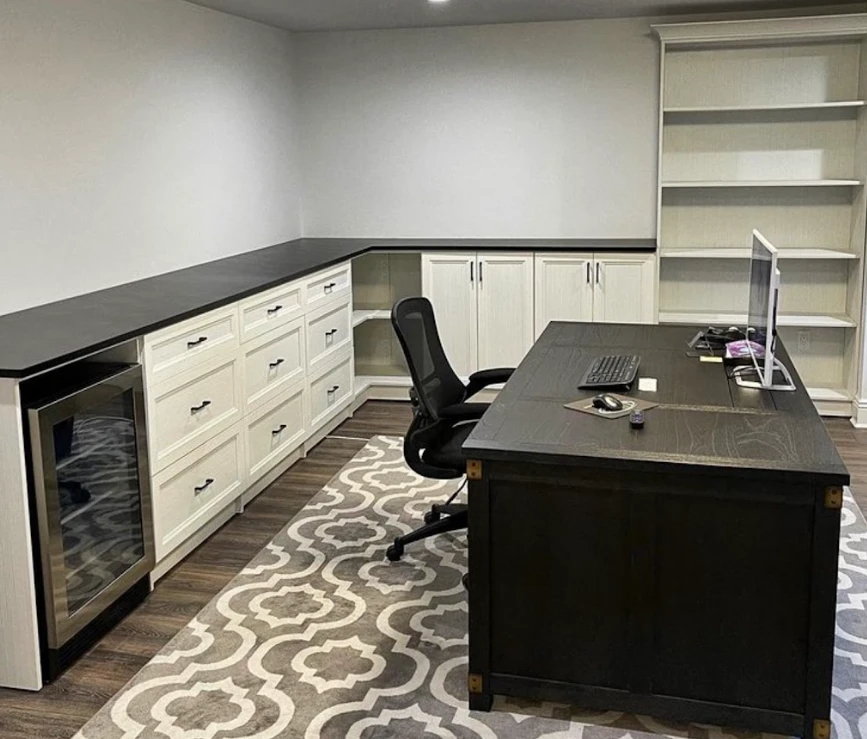
Working from home has become a normal part of life for many people. Whether you work remotely full time, manage a hybrid schedule, or simply need a quiet place to handle daily tasks, the design of your home office can have a major impact on your productivity. A cluttered or poorly organized workspace can make it difficult to focus, while a well-designed office can help you stay efficient and motivated throughout the day.
The best home offices combine thoughtful storage, functional layouts, and comfortable design elements that support the way you work. With custom built-ins and smart organization solutions, a home office can become one of the most productive spaces in your home.
Why Office Design Matters for Productivity
Many people initially set up a home office with whatever furniture they have available. A spare desk, a chair from another room, and a few shelves might work temporarily, but over time this kind of setup can create problems. Paper piles grow, cords become tangled, and important items are difficult to locate.
A well-designed home office solves these issues by creating designated spaces for everything you need. Storage systems keep documents organized, shelves hold frequently used materials, and the layout supports a smooth workflow.
When everything has a place, the workspace becomes easier to maintain. This allows you to spend more time focusing on work instead of searching for items or dealing with clutter.
Choosing the Right Location for Your Office
The first step in designing a productive home office is choosing the right location. Some homes have dedicated office rooms, while others must use flexible spaces such as spare bedrooms, living room corners, or even hallway niches.
Ideally, your office should be located in a quiet area of the home with minimal distractions. Natural light is also beneficial, as it can improve mood and reduce eye strain during long work sessions.
Even smaller spaces can function well as offices when designed thoughtfully. Built-in desks, floating shelves, and compact cabinetry can turn an unused corner into a highly efficient workstation.
Built-In Desks for a Clean and Functional Workspace
The desk is the centerpiece of any home office. Built-in desks offer several advantages compared to standard furniture. Because they are designed specifically for your space, they can be sized perfectly for the room while providing integrated storage.
Built-in desks can include drawers for office supplies, cable management systems for electronics, and shelving for frequently used materials. This helps keep the work surface clear so you can focus on the task at hand.
A built-in design also creates a more polished appearance. Instead of looking like a temporary workspace, the office becomes an intentional and permanent part of the home.
Storage Solutions That Reduce Clutter
Organization is one of the most important aspects of a productive office. Without proper storage, paperwork, books, and supplies can quickly overwhelm a workspace.
Custom cabinetry helps keep everything in order. Upper cabinets can store documents or office equipment that is not used daily, while lower drawers provide easy access to supplies. Shelving can be used for books, decorative objects, or frequently referenced materials.
Closed storage is particularly helpful for maintaining a clean look. Cabinets and drawers hide clutter while still keeping items accessible.
Shelving That Keeps Essentials Within Reach
Open shelving plays an important role in home office design. Shelves allow you to keep frequently used items close at hand without crowding the desk.
Books, notebooks, and storage boxes can all be arranged on shelving units above or beside the desk. This keeps the work surface clear while still making materials easy to access.
Shelving also provides an opportunity to personalize the office. Decorative objects, plants, or framed photos can help create a workspace that feels comfortable and inspiring.
Cable Management for a Cleaner Workspace
Modern home offices often include multiple devices such as computers, monitors, printers, and chargers. Without proper cable management, cords can quickly become tangled and messy.
Custom office furniture can include built-in cable management channels that route wires behind the desk or through cabinetry. This keeps cords hidden and prevents them from interfering with the workspace.
A cleaner setup not only improves the appearance of the office but also makes it easier to maintain and update technology when needed.
Lighting That Supports Long Work Sessions
Lighting is another critical component of a productive workspace. Poor lighting can cause eye strain and fatigue, especially during long hours at the computer.
A combination of natural light and task lighting is ideal. If possible, position your desk near a window to take advantage of daylight. Desk lamps or under-shelf lighting can provide additional illumination when needed.
Integrated lighting within shelving or cabinetry can also make it easier to find materials and create a comfortable atmosphere in the room.
Creating Zones for Different Tasks
Many people use their home office for more than just computer work. It may also serve as a place for reading, meetings, planning, or creative projects.
Designing separate zones within the office can improve productivity. For example, the main desk area can focus on computer work, while a secondary surface or table can be used for writing or reviewing documents.
If space allows, adding a comfortable chair or small seating area can create a spot for reading or taking short breaks.
This type of layout helps the office support multiple types of work while keeping each activity organized.
Personalizing the Workspace
A home office should reflect your personal style while still maintaining a professional atmosphere. Colors, textures, and materials all play a role in creating an environment that encourages focus.
Neutral tones often work well in office spaces because they create a calm backdrop for work. Wood finishes can add warmth, while clean cabinetry lines create a modern and organized feel.
Adding artwork, plants, or personal objects can make the space more enjoyable without distracting from productivity.
The Benefits of Custom Office Design
While many people rely on standard furniture for their home office, custom office solutions offer significant advantages. Built-in desks, cabinetry, and shelving are designed specifically for the dimensions of your space and your workflow.
Custom designs also allow you to incorporate features such as hidden storage, integrated lighting, and cable management systems that are not typically available with standard furniture.
This level of planning results in an office that feels organized, efficient, and comfortable to use every day.
Final Thoughts
A well-designed home office can make a significant difference in how productive and organized your workday feels. With the right combination of storage, layout, and design elements, your workspace can support focus while keeping everything you need within reach.
By investing in thoughtful design and custom storage solutions, homeowners can create offices that are both functional and visually appealing. Whether your office occupies a dedicated room or a small corner of your home, the right setup can help you work more efficiently and enjoy the space you use every day.


